
Garrard County and its county seat, Lancaster, boast rich histories that have significantly contributed to Kentucky’s development.
Garrard County: Establishment and Growth
Established on December 17, 1796, Garrard County became Kentucky’s 25th county, formed from portions of Lincoln, Madison, and Mercer Counties. It was named in honor of James Garrard, the second governor of Kentucky, who served from 1796 to 1804. Explore Kentucky History+3KentuckyHistory.co+3Wikipedia+3KentuckyHistory.co+2Wikipedia+2Kentucky History+2
The county’s geography features rolling hills characteristic of the Bluegrass region, with the southeastern area extending into the Knobs region. The Kentucky River forms its northern border, offering picturesque landscapes and natural resources that have shaped its agricultural heritage. Wikipedia
Lancaster: The County Seat
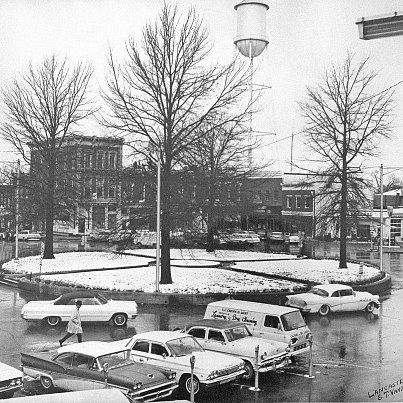
Founded in 1797, Lancaster was established around the site of Major Andrew Wallace’s settlement at Wallace Crossroads. Captain William Buford donated land for the town, which was surveyed by Joseph Bledsoe Jr. The city was named “Lancaster,” possibly after Lancaster, Pennsylvania, reflecting the origins of some settlers or the town’s design similarities. The post office was established in 1801 under the name “Lancaster Court House” until 1811. The city was formally incorporated by the state assembly in 1837. Lancaster Kentucky+3Wikipedia+3Nkaa+3
Lancaster holds historical significance as the site of the Kennedy House, sometimes said to have inspired Harriet Beecher Stowe’s “Uncle Tom’s Cabin.” Additionally, the nearby Camp Dick Robinson served as a Civil War training base, highlighting the area’s strategic importance during that era. Wikipedia+2Wikipedia+2Garrard County Judge Executive+2
Cultural and Historical Significance
Garrard County played a pivotal role in religious migration during the late 18th century. In 1781, Reverend Lewis Craig led “The Travelling Church,” a group seeking religious freedom, from Spotsylvania County, Virginia, to Kentucky. They established their first church and community at Gilbert’s Creek in Garrard County, marking a significant event in the county’s religious history. Wikipedia
The county is also home to several notable historical sites, including the Governor William Owsley House and Camp Dick Robinson. These landmarks, along with nearly 50 buildings in Lancaster listed on the National Historic Register, reflect the area’s rich architectural and political heritage. Wikipedia+2Garrard County Judge Executive+2Lancaster Kentucky+2Lancaster Kentucky
Today, Garrard County and Lancaster honor their storied past while embracing growth and development, offering residents and visitors a blend of historical charm and modern amenities.
Navigating life’s intricate fabric, choices unfold paths to the extraordinary, demanding creativity, curiosity, and courage for a truly fulfilling journey.
 The Horseshoe | Cold Beer, Hot Food & Kentucky Roots